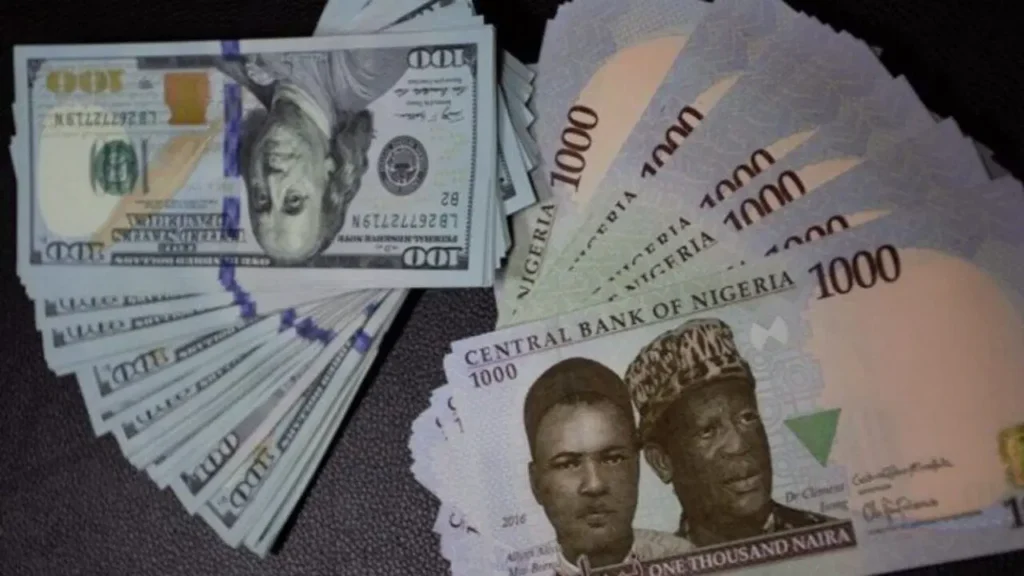
The Nigerian naira maintained a stable performance against the United States dollar across the official Nigerian Foreign Exchange Market (NFEM) on Tuesday, August 4, 2026, while the parallel market continued to trade at a higher rate.
According to the latest figures published by the Central Bank of Nigeria (CBN), the official naira-to-dollar exchange rate remained around ₦1,368.22/$1, extending the relative stability recorded in recent trading sessions. The official market has largely traded within the ₦1,362 to ₦1,369 range, reflecting improved foreign exchange liquidity and calmer market conditions.
Summary: Dollar to Naira Exchange Rate Comparison
| Market Window | Buying Rate | Selling / Spot Rate | Market Premium (Spread) |
|---|---|---|---|
| Official NFEM (CBN) | ₦1,360.00/$ | ₦1,368.22/$ | Baseline |
| Parallel Market | ₦1,410.00/$ | ₦1,425.00/$ | ~₦56.78 per dollar |
Note: The official NFEM rate is calculated using the volume-weighted average of completed foreign exchange transactions in the official market.

Practical Conversion Table: USD to NGN Breakdown
The table below provides an estimate of how common dollar amounts convert using today’s prevailing exchange rates.
| Amount (USD) | Official NFEM Value (₦1,368.22/$) | Parallel Market Value (₦1,425.00/$) | Difference |
|---|---|---|---|
| $10 | ₦13,682.20 | ₦14,250.00 | ₦567.80 |
| $50 | ₦68,411.00 | ₦71,250.00 | ₦2,839.00 |
| $100 | ₦136,822.00 | ₦142,500.00 | ₦5,678.00 |
| $500 | ₦684,110.00 | ₦712,500.00 | ₦28,390.00 |
| $1,000 | ₦1,368,220.00 | ₦1,425,000.00 | ₦56,780.00 |
Recent Exchange Rate Performance
The official foreign exchange market has continued to record relatively low volatility in recent weeks compared with the sharp fluctuations experienced in 2024 and early 2025.
Recent market data indicate that the official exchange rate has remained within the mid-₦1,360 range over the past several trading sessions, suggesting improved stability in the country’s foreign exchange market.
Meanwhile, currency dealers in Lagos continued to quote the dollar at about ₦1,410 for buying and between ₦1,415 and ₦1,425 for selling, depending on the size and location of transactions.
Why the Exchange Rate Gap Remains Narrow
Analysts say the relatively narrow gap between the official and parallel market rates reflects ongoing improvements in Nigeria’s foreign exchange market.
Some of the major factors supporting the naira include:
- Improved foreign exchange liquidity through sustained market interventions.
- Tighter monetary policy aimed at reducing inflationary pressures.
- Continued reforms by the Central Bank of Nigeria to improve transparency and efficiency in the foreign exchange market.
- Better price discovery within the official Nigerian Foreign Exchange Market (NFEM).
Outlook for the Naira
Economic analysts say the direction of the naira in the coming weeks will depend largely on several key economic indicators, including:
- Crude oil export earnings and their impact on Nigeria’s foreign reserves.
- Foreign portfolio investment inflows into the domestic economy.
- Diaspora remittances through official banking channels.
- The Central Bank of Nigeria’s continued liquidity management and foreign exchange policies aimed at meeting legitimate demand for dollars.
Market observers expect the naira to remain relatively stable in the near term if current levels of foreign exchange liquidity and monetary policy support are sustained.
Submit a Press Release | Advertise With Fresh News | Contact Us