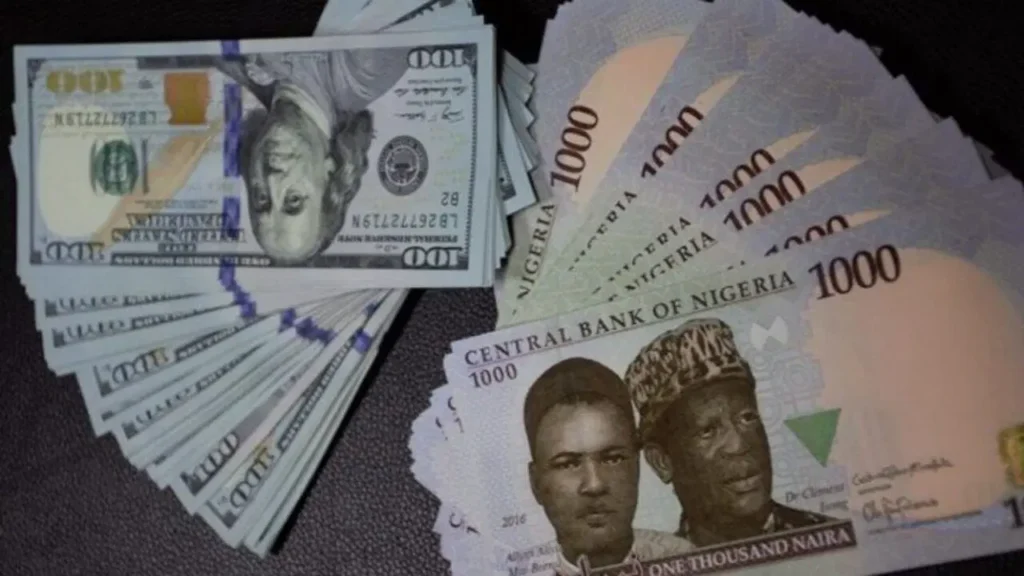
The naira remained fairly steady against the United States dollar on Wednesday, September 30, with only a small difference recorded between Nigeria’s official and parallel foreign exchange markets.
At the Nigerian Foreign Exchange Market (NFEM), the dollar traded within the region of ₦1,324 to ₦1,330 during Wednesday’s session.
The NFEM is Nigeria’s official foreign exchange market and provides the benchmark for dollar transactions carried out through authorised channels.
Dollar to Naira Exchange Rate Today, Wednesday, September 30, 2026
Away from the official window, currency dealers quoted the dollar at about ₦1,375 for buying and ₦1,385 for selling on Wednesday.
The figures mean that anyone looking to buy dollars from dealers could pay around ₦1,385 for one dollar, although the actual amount may vary depending on the location, dealer, transaction size and availability of foreign currency.

| Market | Buying Rate | Selling/Reference Rate |
|---|---|---|
| Nigerian Foreign Exchange Market | — | About ₦1,324–₦1,330/$ |
| Other market dealers | About ₦1,375/$ | About ₦1,385/$ |
How Much Is $100 in Naira Today?
Using the selling rate of about ₦1,385 per dollar among currency dealers, $100 would cost approximately ₦138,500.
At the same rate, $500 would amount to about ₦692,500, while $1,000 would be approximately ₦1.385 million.
For $2,000, the equivalent would be around ₦2.77 million.
These are simple estimates based on the quoted selling rate. The amount offered by individual dealers may be slightly higher or lower.
Gap Between Exchange Rates
Using ₦1,330 as the upper end of Wednesday’s official range and ₦1,385 as the selling rate quoted by other dealers, the difference between both markets stands at about ₦55 per dollar.
At the lower end of the NFEM range of ₦1,324, the difference rises to approximately ₦61.
This leaves the gap between the two markets at roughly ₦55 to ₦61 per dollar, depending on the official rate used for comparison.

Naira Holds Steady Against Dollar
Wednesday’s figures showed no major movement in the value of the naira, with the currency maintaining a relatively narrow trading range.
Dollar availability and demand from businesses, importers, travellers and individuals will remain important in determining how the naira trades during subsequent sessions.
Foreign exchange inflows and earnings from crude oil exports could also influence dollar supply as the market moves beyond the third quarter.
Rates may change during the day as transactions continue, meaning customers could receive different quotations from banks and individual currency dealers.
Submit a Press Release | Advertise With Fresh News | Contact Us