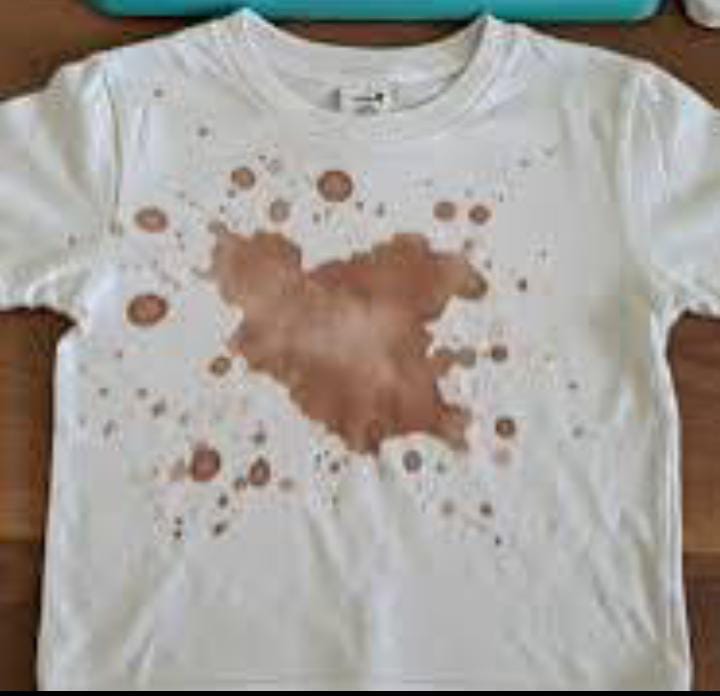
White clothes can look smart and fresh, but keeping them clean can be a challenge. A small splash of food, oil, sweat, ink or dirt can quickly leave a noticeable mark.
The good news is that you do not always need expensive stain removers to deal with stubborn marks. Some common household items can help loosen certain stains before washing.
However, the method you use should depend on the type of stain and the fabric. Treating a stain quickly can also make it easier to remove.
Here are seven simple methods you can try at home.
- Use Liquid Dish Soap for Fresh Oil Stains
Oil and grease stains can be difficult to remove with ordinary washing powder alone.
Liquid dishwashing soap can help break down grease.
How to do it:
Place the stained part of the clothing on a flat surface.
Apply a small amount of liquid dish soap directly to the stain.
Gently rub the area with your fingers or a soft toothbrush.
Leave it for about 10 to 15 minutes.
Rinse with clean water.
Wash the clothing normally.
For an older or heavier stain, you may need to repeat the process.
Tip: Avoid putting the clothing in a dryer or exposing it to intense heat until you are sure the stain is gone, as heat can make some stains harder to remove.
- Try Baking Soda on Sweat and Yellowish Marks
White clothes can sometimes develop yellowish areas around the armpits or collar because of sweat, body oils and product buildup.
Baking soda can be used as a mild cleaning agent.
How to do it:
Mix baking soda with a small amount of water to make a thick paste.
Apply the paste to the affected area.
Gently work it into the fabric.
Leave it for about 20 to 30 minutes.
Rinse thoroughly.
Wash the garment as usual.
For delicate fabrics, test a small hidden area first.
- Use White Vinegar to Help With Odour and Residue
White vinegar can be useful during laundry, particularly for helping with odours and detergent residue.
Add a small amount of plain white vinegar to the rinse cycle rather than pouring it directly onto a delicate garment.
It can help freshen clothes and remove some residue that may make white fabrics look dull.
However, vinegar is not a universal stain remover, so particularly stubborn stains may require another treatment.
Important: Never mix vinegar with chlorine bleach. The combination can produce dangerous fumes.
- Treat Ink Stains Carefully With Rubbing Alcohol
Ink stains require a little more care because rubbing the stain aggressively can spread the ink.
If the fabric’s care label allows it, rubbing alcohol can sometimes help loosen ink.
Try this:
Place a clean cloth or paper towel underneath the stained area.
Dab a small amount of rubbing alcohol onto another clean cloth or cotton pad.
Gently blot the stain rather than rubbing it.
Move to a clean section of the cloth as the ink transfers.
Rinse the area thoroughly.
Wash the garment according to its care instructions.
Test the alcohol on an inconspicuous part of the garment first to make sure it does not affect the fabric.
- Use Cold Water on Fresh Blood Stains
If a white garment gets stained with blood, start with cold water.
Hold the stained area under cold running water and allow the water to flush through the fabric.
You can then apply laundry detergent to the area and gently work it into the fabric before rinsing and washing.
Avoid starting with hot water, as heat can cause protein-based stains such as blood to set more firmly into some fabrics.
For a large or persistent stain, repeat the treatment rather than immediately applying heat.

- Deal With Food Stains Before Washing
Food stains can become more difficult to remove when they are left to dry.
If you spill food on a white shirt, remove any solid material gently with a spoon or blunt edge.
Then:
Rinse the area with cool or lukewarm water, depending on the fabric and stain.
Apply a small amount of liquid laundry detergent.
Gently work the detergent into the stain.
Leave it for several minutes.
Rinse and wash normally.
For oily food stains, a little dishwashing liquid may help break down the grease before the normal wash.
- Use Sunlight Wisely After Washing
Sun-drying white clothes can help keep them looking fresh, and sunlight is commonly used as part of traditional laundry routines.
After washing and thoroughly rinsing the garment, hang it in a clean, well-ventilated area with access to sunlight.
However, don’t assume that leaving every fabric in strong sunlight for long periods is better. Some materials can fade, weaken or become damaged with prolonged exposure.
Always consider the garment’s care label.
Things to Avoid When Removing Stains
Getting rid of a stubborn stain is important, but the wrong cleaning method can damage the clothing.
Don’t mix cleaning chemicals
Never randomly combine household cleaning products. In particular, do not mix chlorine bleach with vinegar, ammonia or other cleaning products, as dangerous gases or reactions can occur.
Don’t scrub aggressively
Hard scrubbing can damage fabric fibres and spread some stains. Start gently and increase the treatment only when necessary.
Check the care label
Before using alcohol, bleach or another strong cleaning product, check the garment’s care instructions.
Test first
If you are trying a cleaning product for the first time, test it on a small, hidden section of the garment first.
Final Tip: Treat Stains as Soon as Possible
One of the simplest ways to make stain removal easier is to act quickly.
The longer a stain remains on fabric, the more difficult it may become to remove. Instead of putting a stained white shirt straight into the laundry basket, treat the affected area as soon as reasonably possible.
Not every stain will disappear after one treatment, so patience may be necessary. If the garment is expensive, delicate or labelled dry clean only, it is safer to follow the manufacturer’s instructions or take it to a professional cleaner.
With the right method and a little patience, many everyday stains can be treated at home without spending heavily on specialised cleaning products.
Submit a Press Release | Advertise With Fresh News | Contact Us