The naira began the new trading week on a relatively stable note against the United States dollar, with only a modest difference between the official exchange rate and the parallel-market quotation.
The latest market figures show that the naira remained within the range recorded in recent trading sessions, as traders continued to monitor foreign exchange liquidity, dollar demand and interventions by the Central Bank of Nigeria.
For Nigerians and businesses involved in foreign exchange transactions, the movement of the naira against the dollar remains an important indicator because changes in the exchange rate can affect the cost of imports, international payments and other dollar-denominated transactions.

Naira exchange rate in the official market
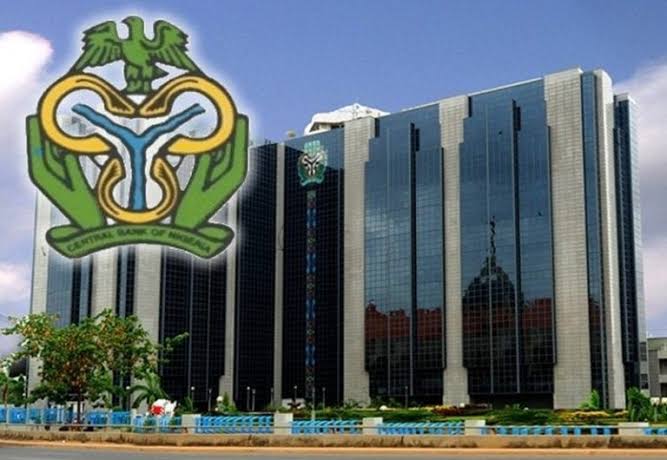
Data from the Central Bank of Nigeria’s exchange-rate portal put the Nigerian Foreign Exchange Market, or NFEM, rate at approximately ₦1,362.55 to the dollar.
The NFEM rate serves as the reference rate for transactions conducted through authorised participants in Nigeria’s formal foreign exchange market.
The CBN explains that the official rate is derived from the volume-weighted average of transactions completed during the trading session.
Recent trading activity has kept the official exchange rate within a relatively narrow band around the ₦1,362 to ₦1,364 level.
Latest naira-dollar exchange rate
| Market | Dollar buying rate | Dollar selling rate |
|---|---|---|
| Official NFEM | — | ₦1,362.55 |
| Parallel market | ₦1,410 | ₦1,425 |
Rates are indicative and may vary by location, dealer, transaction size and time of day.
Parallel-market dollar rate
In the parallel market, where dollars are traded outside the formal foreign exchange window, dealers in Lagos and other major trading centres were quoting the dollar at about ₦1,410 for buying and ₦1,425 for selling.
The figures indicate that the difference between the official exchange rate and the parallel-market selling rate remained relatively moderate.
The parallel market does not operate under the same structure as the official NFEM, meaning that its rates can change more quickly in response to local demand, dollar availability and other market conditions.
For this reason, individuals looking to buy or sell dollars may receive quotations that differ from the rates published for the official market.
What is driving the naira’s stability?
Several factors continue to influence the direction of the naira, including the availability of foreign exchange, demand for dollars and measures taken by the CBN to manage liquidity in the market.
The recent narrow movement of the official exchange rate suggests that the naira has enjoyed a period of relative short-term stability.
Reuters has also reported recent trading around the ₦1,360 level in the official market, while street-market quotations have remained around the ₦1,425 level.
However, exchange rates can change during the day as market conditions shift.

Why the official and black-market rates differ
The difference between the official and parallel-market exchange rates is largely linked to how the two markets operate.
The official NFEM rate reflects transactions carried out through authorised dealers within the formal foreign exchange market.
The parallel market, meanwhile, reflects prices agreed between buyers and sellers operating outside that official window.
| Factor | Official market | Parallel market |
|---|---|---|
| Main participants | Authorised dealers | Independent currency traders |
| Rate basis | Formal market transactions | Supply and demand |
| Price movement | Influenced by official market conditions | Can change rapidly with local demand |
| Use | Formal foreign exchange transactions | Mainly cash-market transactions |
The rate available to a customer may therefore differ from the published benchmark.
Banks and Bureau de Change operators can also quote different rates depending on their dollar liquidity, transaction volume, location and payment arrangements.
What the exchange rate means for Nigerians
Movements in the naira-dollar exchange rate can have a wider impact on the economy.
Businesses that depend on imported goods or foreign inputs may monitor the dollar rate closely because a weaker naira can increase the local-currency cost of settling dollar-denominated obligations.
Individuals making international payments, travelling abroad or paying for services priced in dollars may also be affected by changes in the exchange rate.
Conversely, greater stability in the naira can make it easier for businesses and consumers to plan transactions involving foreign currencies.

Naira outlook for the new week
The naira’s relatively steady opening provides a calmer start to the week’s foreign exchange trading, although market participants are expected to continue watching dollar liquidity and CBN activity.
The official exchange rate and parallel-market price remain useful indicators of conditions in Nigeria’s foreign exchange market, but neither should be interpreted as a guaranteed rate for every transaction.
For anyone exchanging dollars, the actual price available will depend on the dealer, transaction size, location and prevailing market conditions at the time of the transaction.
As trading continues, movements in foreign exchange liquidity and dollar demand will remain important factors in determining whether the naira maintains its recent stability or comes under renewed pressure.
Submit a Press Release | Advertise With Fresh News | Contact Us