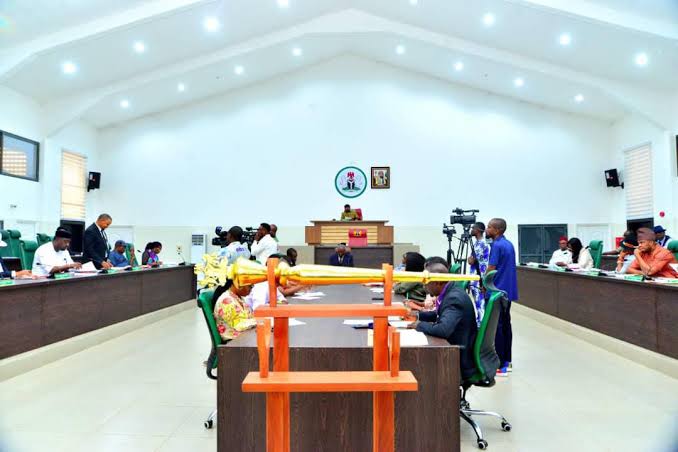
The resignation of Blessing Agbebaku as Speaker of the Edo State House of Assembly has added another chapter to Nigeria’s long history of changes in legislative leadership.
Agbebaku reportedly stepped down from the position on Monday, August 17, 2026, after lawmakers were said to have begun moves to remove him from office. His media aide, Ivy Ebojele, confirmed the resignation and said more details would be provided later.
While the circumstances surrounding his exit are still developing, similar situations have occurred in other state Houses of Assembly across Nigeria.
Benue Speaker Resigned Amid Impeachment Tension
One of the most recent examples happened in Benue State in August 2025. The then Speaker, Aondona Dajoh, resigned from office after a period of tension within the Assembly.

His resignation came shortly after four lawmakers were suspended amid an alleged plan to impeach him. Dajoh, however, said in his resignation letter that his decision was made “in good faith and in the best interest of the state.”
The Benue case shows how quickly leadership disputes inside a state Assembly can result in a change at the top. In that situation, the Speaker left before the dispute could lead to his formal removal.
Lagos Speaker Resigned After Leadership Crisis
Lagos also witnessed a major change in speakership in 2025, although the circumstances were different.
Mojisola Meranda became Speaker of the Lagos State House of Assembly in January 2025 after Mudashiru Obasa was removed from the position following a leadership crisis. Meranda became the first woman to lead the Lagos Assembly.
However, after about seven weeks in office, she resigned as Speaker on March 3, 2025. She was immediately re-elected as Deputy Speaker, while Obasa returned as Speaker.
The Lagos development demonstrated that a resignation does not always mean a lawmaker is leaving the leadership structure completely. In Meranda’s case, she moved from the top position back to the deputy role as part of a wider resolution of the Assembly’s leadership crisis.
Taraba Speaker Left Office During Political Tension
There are also older examples of Speakers leaving office during periods of political uncertainty.

In Taraba State, Peter Abel Diah resigned as Speaker in December 2019 after weeks of political tension. Diah personally confirmed his resignation and said he was leaving for personal reasons. Reports at the time also linked his exit to disagreements within the political structure of the state, although some claims about attempts to remove him could not be independently verified.
Kano Speaker Resigned Amid Controversy
Kano recorded another notable case in July 2017 when Speaker Kabiru Rurum resigned amid allegations surrounding the investigation of the Emir of Kano, Muhammad Sanusi II. His resignation came as pressure grew around the Assembly’s handling of the matter.
What These Cases Show
The examples from Benue, Lagos, Taraba and Kano show that there is no single reason why a Nigerian Assembly Speaker may leave office. Some resignations have followed political disagreements, others have happened during leadership crises, while some lawmakers have given personal or broader public-interest reasons.
This background puts the latest development in Edo into a wider context. Agbebaku’s reported resignation comes at a time when lawmakers are said to have been considering his removal, but the full details behind the disagreement have not yet been made public.
For now, it remains unclear who will take over the leadership of the Edo State House of Assembly or whether lawmakers will immediately elect a new Speaker.
Further clarification from Agbebaku, the Assembly or his media aide is expected to provide more information about what led to his decision to leave office.
Submit a Press Release | Advertise With Fresh News | Contact Us