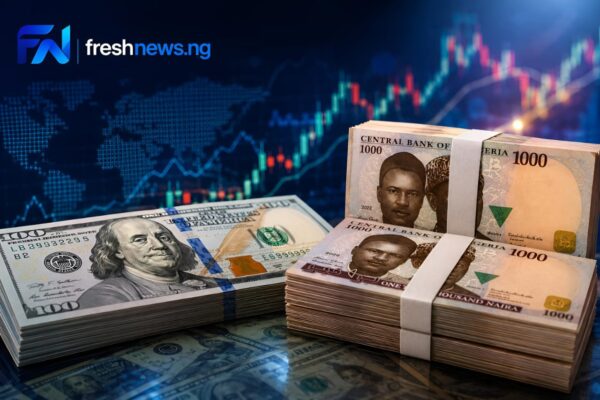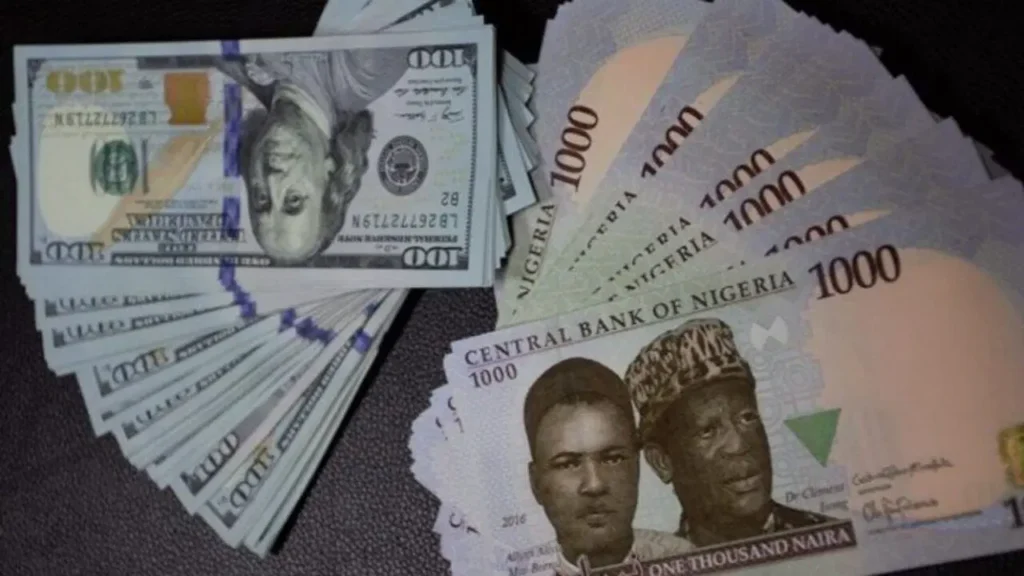
The Dollar to Naira exchange rate stood at approximately ₦1,400 per dollar in the parallel market on Friday, November 6, 2026, while the official market closed the previous trading session at ₦1,348.74.
The latest figures show a difference of about ₦51.26 between the two markets, reflecting the gap between the official foreign exchange benchmark and the rate quoted by parallel market dealers.
Official Dollar to Naira Exchange Rate Today
Data from the Central Bank of Nigeria (CBN) showed that the naira exchanged at ₦1,348.74 per dollar at the Nigerian Foreign Exchange Market (NFEM) on Thursday, November 5.
The rate represented a slight depreciation compared with the previous trading session.
The NFEM rate is calculated using the volume-weighted average of transactions conducted in the official foreign exchange market. It serves as Nigeria’s official exchange rate benchmark.
The Thursday closing figure is the latest official rate provided for Friday’s market update. It should not be mistaken for a live rate or a confirmed Friday closing price.

Dollar to Naira Rate in the Parallel Market Today
In the parallel market, also known as the black market, currency dealers quoted the dollar at approximately ₦1,400 on Friday.
The rate may vary across different locations because individual dealers set their buying and selling prices based on market conditions and the availability of foreign currency.
Customers may therefore receive different quotations when buying or selling dollars. The amount involved and the dealer’s location can also influence the final transaction rate.
Why the Official and Parallel Market Rates Differ
The difference between the NFEM and parallel market rates reflects demand and supply conditions across Nigeria’s foreign exchange markets.
The official market operates through recognised financial channels, while the parallel market serves customers who obtain foreign currency outside the formal banking system.
Demand from individuals and businesses requiring dollars for international transactions also influences market activity.
Why Nigerians Monitor the Exchange Rate
Movements in the Dollar to Naira exchange rate affect individuals and businesses with foreign currency obligations.
Importers monitor the rates because changes in the cost of dollars can influence the naira value of goods purchased abroad. Businesses making international payments also need the latest quotations to plan their expenses.
Students paying tuition fees overseas and families sending money to relatives outside Nigeria equally follow exchange rate movements.
Both official and parallel market rates can change as trading activities and foreign exchange demand evolve. Nigerians planning transactions should confirm the applicable rate with their banks or currency dealers before making payments.
Submit a Press Release | Advertise With Fresh News | Contact Us